Roaring Waters, Ancient Lifeline
October 26, 2026
Which Accommodation Should You Choose for a Uganda Gorilla Trekking Safari?
October 27, 2026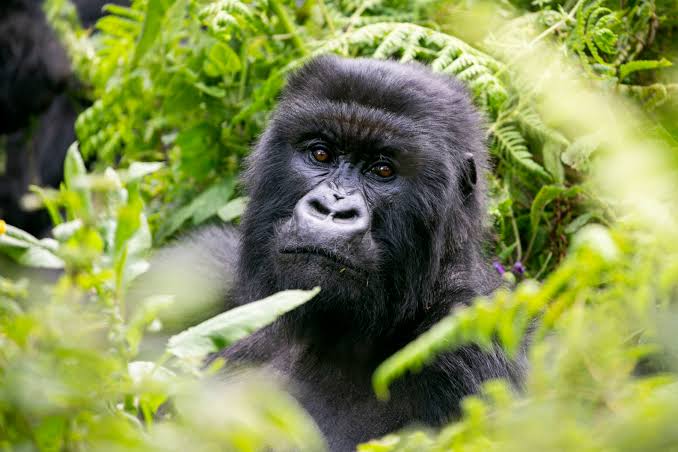
Uganda Gorilla Trekking Safari: The Ultimate Guide to Mountain Gorilla Encounters, Wildlife, Birding, and Cultural Experiences
A Uganda Gorilla Trekking Safari offers one of Africa’s most extraordinary wildlife experiences. It takes travellers deep into ancient rainforests, where endangered mountain gorillas live among mist-covered mountains, towering trees, and lush vegetation. Uganda stands out as a remarkable destination for nature lovers, photographers, adventurers, and travellers seeking meaningful encounters with wildlife. Moreover, its welcoming communities, rich cultural traditions, and diverse landscapes create a rewarding safari experience beyond gorilla trekking.
At Beyond Horizons Adventure Ltd, we recognise that a memorable African journey requires more than beautiful scenery. Travellers deserve reliable information, thoughtful planning, knowledgeable guides, comfortable accommodation, and responsible tourism practices. Therefore, we design experiences that connect visitors with Uganda’s natural treasures while respecting local communities and wildlife conservation priorities. Our approach helps international visitors explore the country with greater confidence, comfort, and appreciation.
Why Choose a Uganda Gorilla Trekking Safari?
A Uganda Gorilla Trekking Safari takes place in southwestern Uganda, primarily within Bwindi Impenetrable National Park and Mgahinga Gorilla National Park. Both destinations protect mountain gorillas and provide access to carefully managed trekking experiences. However, each park offers different landscapes, trekking sectors, accommodation choices, and opportunities for additional adventures. Understanding these differences helps travellers select a safari that matches their interests, available time, fitness, and budget.
Beyond the gorilla encounter, Uganda offers remarkable opportunities for wildlife viewing, chimpanzee tracking, birdwatching, scenic drives, and cultural discovery. Visitors can combine rainforest exploration with savannah game drives, crater lakes, community visits, and traditional food experiences. Consequently, a well-planned Uganda Gorilla Trekking Safari can become a comprehensive African adventure rather than a single wildlife activity.
Whether you are planning your first African holiday or returning to discover more of the continent, Uganda offers compelling reasons to explore. With Beyond Horizons Adventure Ltd, travellers can build an itinerary around authentic encounters, responsible travel, and the extraordinary biodiversity of the Pearl of Africa.
Where Does a Uganda Gorilla Trekking Safari Take Place?
Exploring Bwindi Impenetrable National Park
Bwindi Impenetrable National Park ranks among Uganda’s most celebrated destinations for mountain gorilla encounters. Located in southwestern Uganda, this UNESCO World Heritage Site protects an ancient montane rainforest with exceptional biodiversity. Its steep slopes, thick vegetation, forest trails, and misty valleys create a distinctive environment for adventurous travellers.
A Uganda Gorilla Trekking Safari in Bwindi introduces visitors to a forest ecosystem that supports mountain gorillas alongside numerous other species. The park also provides important habitats for forest birds, butterflies, monkeys, and other wildlife. Although dense vegetation sometimes limits visibility, it contributes to the forest’s remarkable atmosphere and ecological value.
Bwindi has several gorilla trekking sectors, including Buhoma, Ruhija, Rushaga, and Nkuringo. Each sector has its own trekking groups, accommodation options, access routes, and surrounding landscapes. Therefore, travellers should choose their lodge according to their assigned trekking sector rather than relying on distance estimates alone. Staying near the correct trailhead can reduce early-morning travel and make the overall experience more comfortable.
Discovering Mgahinga Gorilla National Park
Mgahinga Gorilla National Park provides another outstanding setting for a Uganda Gorilla Trekking Safari. Located near Uganda’s borders with Rwanda and the Democratic Republic of the Congo, the park forms part of the wider Virunga conservation landscape. Its dramatic volcanic mountains, bamboo forests, and open slopes create a striking contrast with Bwindi’s dense rainforest.
Mgahinga protects mountain gorillas and golden monkeys within a compact but ecologically important landscape. Visitors can combine gorilla trekking with golden monkey tracking, guided nature walks, and volcanic hiking opportunities. The surrounding region also offers beautiful views of the Virunga volcanoes and opportunities to learn about local communities.
Choosing between Bwindi and Mgahinga depends on your priorities, travel dates, accommodation preferences, and available permits. Both destinations offer memorable encounters, but neither guarantees a particular wildlife sighting. Our team at Beyond Horizons Adventure Ltd can help match your interests with the most suitable trekking location.
What Makes a Uganda Gorilla Trekking Safari So Special?
Meeting Mountain Gorillas in Their Natural Habitat
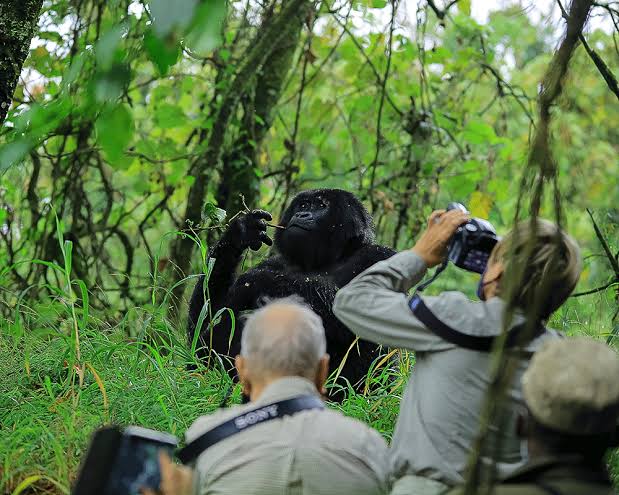
The defining moment of a Uganda Gorilla Trekking Safari comes when visitors encounter a mountain gorilla family in the forest. These powerful primates display complex social relationships, individual personalities, and fascinating behaviours. Travellers may observe a silverback resting, juveniles playing, mothers caring for infants, or family members feeding on forest vegetation.
However, every encounter develops differently. The gorillas move freely through their natural habitat, so guides cannot promise a specific viewing distance or photographic opportunity. Their movements also determine the trekking route and the time required to reach them. This uncertainty forms part of the genuine wilderness experience.
Once visitors reach the assigned gorilla family, the standard encounter allows up to one hour with the animals. Rangers supervise the experience and provide instructions that protect both visitors and gorillas. Small visitor groups also help limit disturbance to these endangered primates. Uganda generally permits a maximum of eight tourists to visit one habituated gorilla family during a standard trek.
Understanding the Physical Adventure
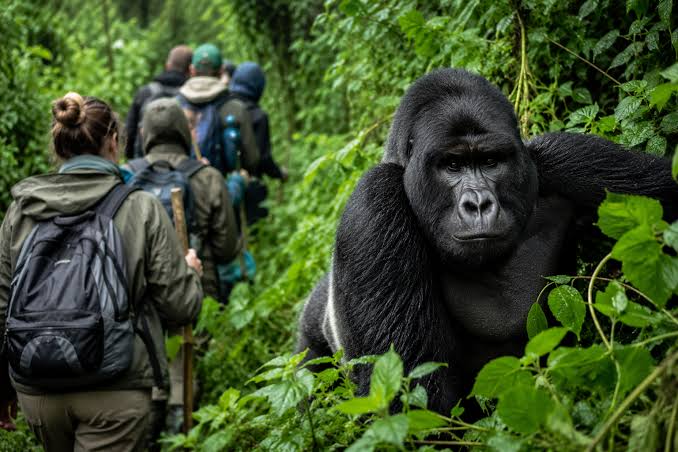
A Uganda Gorilla Trekking Safari requires patience, preparation, and a willingness to walk through challenging terrain. Depending on the gorillas’ movements, the trek may take several hours. Some groups remain relatively accessible, while others require longer hikes through steep slopes and thick vegetation.
Trail conditions vary with rainfall, elevation, and forest cover. Muddy paths, exposed roots, uneven ground, and occasional steep climbs can make the walk physically demanding. Nevertheless, experienced rangers help visitors navigate the forest safely and adapt their pace to the conditions.
Travellers should prepare with sturdy hiking boots, long trousers, gardening gloves, drinking water, and weather-resistant clothing. A walking stick can also provide extra stability on slippery slopes. Visitors with mobility concerns should discuss their requirements with the tour operator before booking, as available assistance and trekking conditions vary.
Beyond Horizons Adventure Ltd encourages travellers to prepare realistically rather than underestimate the forest environment. Appropriate preparation helps visitors enjoy the journey, manage fatigue, and focus on the extraordinary wildlife encounter ahead.
How Much Does a Uganda Gorilla Trekking Safari Cost?
Understanding Gorilla Trekking Permit Prices
The gorilla permit represents one of the most important expenses in a Uganda Gorilla Trekking Safari. It grants access to a regulated gorilla tracking experience and supports conservation and protected-area management. The permit price depends on visitor classification, activity type, and the tariff applicable to the travel date.
The published Uganda Wildlife Authority tariff for July 2024 through June 2026 listed the standard gorilla trekking permit at US$800 per foreign non-resident. The same tariff listed the gorilla habituation experience at US$1,500 per foreign non-resident. These figures provide a useful reference, but travellers should confirm the applicable charges for their intended dates because tariffs and promotional arrangements can change.
A standard permit allows one hour with a habituated gorilla family. In contrast, the habituation experience offers an extended encounter with a gorilla group undergoing habituation. This activity takes place in Bwindi and can allow up to four hours with the gorillas, subject to the official programme and ranger instructions.
What Does the Safari Package Include?
A Uganda Gorilla Trekking Safari package can cover several services beyond the permit itself. Depending on the itinerary, these may include airport transfers, private ground transport, accommodation, meals, a professional driver-guide, and selected activities. Some packages also include park entrance fees, cultural visits, and additional wildlife excursions.
However, travellers should never assume that every quotation covers the same services. Some operators present a land package separately from the gorilla permit, while others combine selected costs into one price. International flights, visas, travel insurance, tips, drinks, and personal expenses may remain outside the package.
Beyond Horizons Adventure Ltd recommends requesting an itemised quotation before confirming a booking. A clear breakdown helps you understand what you will pay and compare offers fairly. It also reduces the risk of unexpected expenses during your holiday.
How Can You Plan a Safari Within Your Budget?
Your total Uganda Gorilla Trekking Safari cost depends on several practical choices. These include the number of travellers, length of stay, accommodation category, transport arrangements, and additional activities. Private vehicles offer flexibility, while shared arrangements may reduce expenses when available.
Budget travellers can select comfortable guesthouses and focus on essential activities. Mid-range travellers may prefer lodges with private bathrooms, restaurant services, and convenient access to the trekking sector. Luxury travellers can choose premium accommodation, personalised service, spacious rooms, and more exclusive itinerary arrangements.
Nevertheless, the lowest quotation does not always provide the best value. Consider vehicle quality, guide experience, lodge location, permit arrangements, and the clarity of the operator’s terms. Beyond Horizons Adventure Ltd encourages travellers to prioritise safety, transparency, responsible tourism, and service quality when comparing safari options.
What Is the Best Time for a Uganda Gorilla Trekking Safari?
Visiting During the Drier Months
The most popular periods for a Uganda Gorilla Trekking Safari generally fall during the drier months. These commonly include June to August and December to February, although local weather conditions can vary. During relatively dry periods, forest trails may offer easier walking conditions and some roads may become more manageable.
These months often attract strong demand, particularly during international holiday periods. Consequently, visitors should arrange their permits and accommodation well in advance. Early planning gives travellers more flexibility when selecting a trekking sector, preferred lodge, and travel itinerary.
However, Uganda’s rainforests can receive rain throughout the year. A forecast of dry weather does not guarantee dry trails or clear skies. Travellers should therefore pack waterproof clothing and prepare for changing conditions regardless of their departure month.
Can You Trek Gorillas During the Rainy Season?
Yes, a Uganda Gorilla Trekking Safari remains possible during rainy periods, subject to official availability and operating conditions. Rain can make forest trails slippery, increase walking difficulty, and affect road journeys. Even so, the rainforest remains beautiful, and prepared visitors can enjoy rewarding wildlife encounters.
Some travellers prefer these quieter travel periods because they may offer greater flexibility with accommodation availability. However, demand and pricing depend on several factors, so visitors should never assume that every rainy-season booking costs less.
The right travel season depends on your priorities. Photographers may value atmospheric forest conditions, while families or travellers with limited hiking experience may prefer periods with generally drier trails. Beyond Horizons Adventure ltd can help you weigh these factors and choose dates that suit your expectations.
What Rules Should You Follow During a Uganda Gorilla Trekking Safari?
Protecting Gorillas From Human Diseases
Responsible conduct forms an essential part of every Uganda Gorilla Trekking Safari. Mountain gorillas share biological similarities with humans and can contract certain respiratory illnesses. Visitors must avoid entering the forest when they have a contagious illness, including a cold or persistent cough.
Rangers provide a briefing before each trek and explain the current health and safety requirements. Follow their instructions throughout the activity. Wear a face mask when required by the authorities or your ranger, and practise good hand hygiene before the encounter.
Visitors should maintain the required separation from the gorillas. Current visitor guidance commonly specifies a distance of at least ten metres, although travellers must follow the rules and instructions in force on their trekking date. Never approach a gorilla to improve a photograph or attempt to touch an animal.
Respecting Wildlife and Forest Regulations
A Uganda Gorilla Trekking Safari also requires respect for wildlife behaviour and the surrounding habitat. Visitors must avoid flash photography, loud noises, sudden movements, and actions that disturb the animals. Do not feed gorillas, litter the forest, or leave designated trails without permission.
If a gorilla approaches unexpectedly, remain calm and follow the ranger’s guidance. Never attempt to attract an animal or interfere with the family’s natural behaviour. These simple precautions help reduce stress and maintain a safe viewing environment.
The standard encounter lasts up to one hour. Rangers control the timing and may adjust procedures when necessary for animal welfare or visitor safety. Respecting these limits supports responsible tourism and helps protect Uganda’s endangered mountain gorillas for future generations.
Why Should You Hire a Local Porter?
Hiring a porter during a Uganda Gorilla Trekking Safari can improve your comfort while supporting the surrounding community. Porters help carry daypacks and other permitted equipment along difficult forest trails. Their assistance can also help visitors manage steep climbs and slippery sections.
Many porters come from communities near the national parks. Their work provides income and creates direct links between tourism and local livelihoods. Choosing a porter can therefore contribute to household earnings and strengthen community participation in conservation.
Visitors should agree on the service and payment arrangements before the trek begins. Carry only essential equipment, follow park regulations, and treat porters with the same respect you expect from other tourism professionals. Small decisions like these can make your safari more comfortable and socially responsible.
Which Accommodation Should You Choose for a Uganda Gorilla Trekking Safari?
Why Lodge Location Matters
Accommodation plays a major role in the overall comfort of a Uganda Gorilla Trekking Safari. The right lodge provides a welcoming place to rest, enjoy meals, prepare for the next day, and reflect on the forest experience. However, location deserves particular attention because Bwindi has several trekking sectors with different access routes.
Travellers should select accommodation near their assigned trekking sector whenever possible. A lodge that appears close to Bwindi on a map may still require a lengthy road transfer to the correct briefing point. Confirm the sector, meeting location, and expected departure time before finalising your reservation.
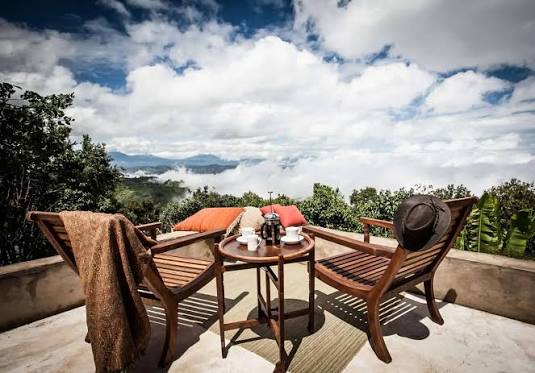
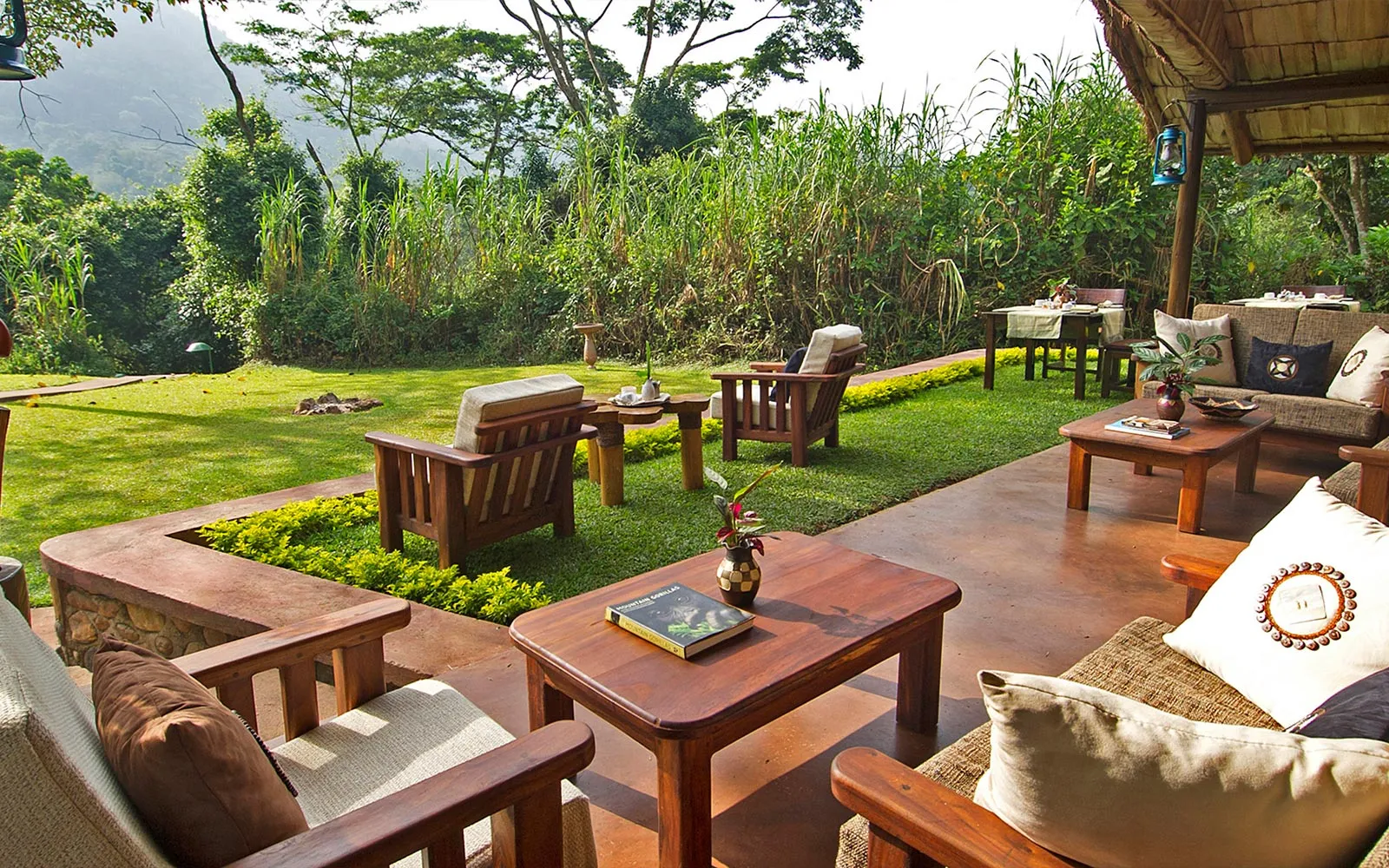
Useful accommodation features include comfortable beds, reliable meals, hot showers where available, helpful staff, and secure storage. Travellers may also appreciate gardens, forest views, and outdoor seating areas. Facilities differ between properties, so request details before booking if particular amenities matter to you.
What Can You Experience Around Your Safari Lodge?
A Uganda Gorilla Trekking Safari can include meaningful activities beyond the main trek. The experiences available around your lodge depend on its location, the local community, and the time you have available.
Visitors staying near Buhoma may arrange a Batwa cultural experience with local guides. These experiences can introduce visitors to Batwa history, traditional knowledge, music, storytelling, and forest relationships. The Batwa have a distinct cultural identity and a deep historical connection to the forests of southwestern Uganda.
Other community experiences may include guided village walks, craft shopping, traditional food preparation, and conversations with local residents. Visitors can learn about farming practices, local livelihoods, and the importance of tourism income. However, activities should take place with community consent and appropriate local guidance.
Beyond Horizons Adventure Ltd encourages travellers to choose experiences that respect local customs and provide fair benefits to host communities. Ask permission before taking photographs, purchase crafts directly from makers when possible, and approach cultural visits with curiosity rather than assumptions.
What Cultural Experiences Can Enrich Your Uganda Gorilla Trekking Safari?
Discovering Batwa Heritage
A Uganda Gorilla Trekking Safari offers an opportunity to learn about the Batwa, Indigenous forest communities with longstanding cultural connections to the region. Their history includes traditional forest knowledge, hunting and gathering practices, medicinal plant knowledge, music, and storytelling.
Guided cultural experiences may introduce visitors to traditional homes, food preparation, forest skills, and community performances. The specific programme depends on the community and provider. Visitors should select locally organised experiences that respect cultural dignity and allow participants to share their knowledge on their own terms.
It is important to recognise that Batwa communities are living communities, not museum exhibits. Their experiences include both cultural continuity and contemporary challenges. Responsible visitors should listen respectfully, avoid stereotypes, and support activities that provide meaningful community benefits.
Exploring Local Food and Craft Traditions
Food can add another dimension to a Uganda Gorilla Trekking Safari. Around southwestern Uganda, visitors may encounter dishes prepared with matooke, beans, groundnuts, sweet potatoes, seasonal vegetables, and other locally available ingredients. Menus vary between lodges and communities, offering opportunities to discover regional flavours.
Some community visits include demonstrations of traditional cooking methods or opportunities to sample locally prepared meals. Travellers can ask their hosts about ingredients, preparation techniques, and the role of particular dishes in daily life. Visitors with allergies or dietary restrictions should communicate their needs before the activity.
Craft experiences may feature woven products, baskets, handmade souvenirs, and other locally produced items. Buying directly from artisans can help retain more tourism income within the community. Choose products respectfully and ask about their materials and significance rather than assuming every object carries the same cultural meaning.
Learning Through Community Interaction
Meaningful cultural tourism depends on respectful interaction. During a Uganda Gorilla Trekking Safari, visitors can learn by listening, asking appropriate questions, and participating in activities offered voluntarily by local hosts.
A guided village walk may reveal how communities balance agriculture, family responsibilities, education, and conservation. It can also show how tourism creates employment for guides, drivers, cooks, craft makers, and accommodation staff.
Nevertheless, no single visit can represent every person or community in Uganda. Customs, languages, beliefs, and daily experiences vary across the country. Travellers should approach each encounter with an open mind and recognise the diversity of Ugandan society.
Can You Combine a Uganda Gorilla Trekking Safari With Other Wildlife Experiences?
Adding Uganda Wildlife Safaris
A Uganda Gorilla Trekking Safari can form part of a wider wildlife itinerary across the country. Uganda protects several national parks with different habitats, landscapes, and animal species. Combining rainforest trekking with savannah wildlife viewing allows visitors to appreciate this ecological diversity.
Queen Elizabeth National Park offers opportunities to explore savannah landscapes, wetlands, crater lakes, and the Kazinga Channel. Depending on conditions and wildlife movements, visitors may encounter elephants, buffaloes, antelopes, hippos, crocodiles, and numerous bird species.
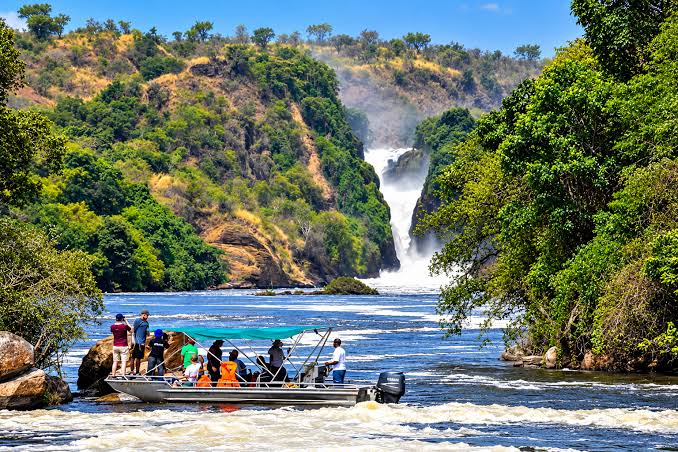
Murchison Falls National Park offers another rewarding addition. Its landscapes include savannah, woodland, riverine habitats, and the powerful Nile River. Game drives and boat excursions provide different ways to explore the park, while the waterfall creates a dramatic natural highlight.
Lake Mburo National Park can suit shorter wildlife excursions, with opportunities for game drives, guided nature walks, and boat activities. Each park has distinct characteristics, so itinerary choices should reflect available time, travel distances, and preferred wildlife experiences.
Where Can You Go Chimpanzee Tracking?
Travellers interested in primates can combine their Uganda Gorilla Trekking Safari with chimpanzee tracking. Kibale National Park is one of Uganda’s leading destinations for observing wild chimpanzees. Its tropical forest supports a diverse primate community and offers guided tracking experiences.
Chimpanzees differ from mountain gorillas in their social behaviour, movement, and forest use. They often travel through the canopy and communicate through calls, making the encounter dynamic and sometimes challenging to follow. Visitors should prepare for walking and follow the guide’s instructions throughout the activity.
Queen Elizabeth National Park also offers chimpanzee tracking opportunities in Kyambura Gorge, subject to availability. This forested gorge creates a striking contrast with the surrounding savannah. Combining chimpanzee tracking with gorilla trekking can provide a broader understanding of Uganda’s primate diversity.
Why Include Uganda Birding Safaris?
A Uganda Gorilla Trekking Safari can also appeal to birdwatchers who want to explore several habitats in one trip. Uganda supports exceptional bird diversity across forests, wetlands, lakeshores, mountains, and savannah landscapes.
Bwindi is particularly rewarding for forest birding. Visitors may encounter colourful forest species while walking through the park or exploring suitable trails around their accommodation. However, dense vegetation and bird movement can make sightings unpredictable, so patience and a knowledgeable guide remain important.
Additional Uganda Birding Safaris can include wetland excursions, forest walks, and birdwatching in other national parks. The precise species available depend on the location, season, habitat, and observation conditions. Travellers with particular birding interests should share their target species with the safari planner before departure.
Beyond Horizons Adventure Ltd can help combine gorilla trekking, chimpanzee tracking, birding, and wildlife viewing into a balanced itinerary. This approach allows visitors to discover several aspects of Uganda’s natural heritage within one journey.
How Should You Prepare for a Uganda Gorilla Trekking Safari?
Essential Clothing and Equipment
Packing carefully can make a Uganda Gorilla Trekking Safari more comfortable. The forest environment changes with elevation, rainfall, and local weather, so travellers should prepare for both damp conditions and warm periods.
Essential items include sturdy hiking boots, long trousers, long-sleeved shirts, a lightweight waterproof jacket, and gardening gloves. Gloves can help protect your hands when holding vegetation for balance, although visitors must never damage plants or leave designated trails.
Bring drinking water, personal medication, a small daypack, insect repellent, and sun protection. A camera with sufficient battery power can help preserve memories, but flash photography is prohibited during the gorilla encounter. Carry spare batteries or a power bank when practical.
A walking stick can provide extra stability on uneven ground. Some lodges or trekking locations may provide sticks, but travellers should confirm availability rather than assume. Pack light enough to remain comfortable throughout the walk.
Fitness, Health, and Safety Preparation
A Uganda Gorilla Trekking Safari does not require every visitor to be an athlete, but reasonable preparation helps. Regular walking before departure can improve stamina and confidence on forest trails. Practising on uneven ground may also help travellers prepare for changing terrain.
Inform your tour operator about relevant mobility concerns before booking. Trek difficulty depends on gorilla movements, trail conditions, and the assigned group. Operators cannot guarantee an easy route or a particular trekking duration.
Follow current health guidance and consult a qualified healthcare professional about travel vaccinations, malaria prevention, and other destination-specific precautions. Carry any essential medication in your hand luggage and keep important emergency contacts accessible.
Travel insurance deserves careful attention. Check whether your policy covers the activities, transport arrangements, and medical evacuation services relevant to your itinerary. Confirm the policy limits and exclusions before travelling.
Responsible Photography and Digital Sharing
Photography can preserve the excitement of a Uganda Gorilla Trekking Safari, but responsible behaviour must always come first. Keep your camera ready before approaching the gorillas and follow the ranger’s instructions about positioning and movement.
Never use flash or move closer simply to improve a photograph. Avoid blocking other visitors, and do not let equipment distract you from the encounter itself. Sometimes the most memorable moments come from observing quietly rather than taking dozens of pictures.
When sharing photographs online, respect the privacy of community members and ask permission before posting identifiable images. Responsible storytelling helps promote Uganda while protecting the dignity of the people who make each journey meaningful.
How Can You Book a Uganda Gorilla Trekking Safari With Confidence?
Reserve Permits Through Reliable Channels
Gorilla permits are limited, so advance planning is essential for a Uganda Gorilla Trekking Safari. Start by identifying your preferred travel dates and the park or trekking sector that suits your itinerary. Then confirm permit availability before committing to non-refundable travel arrangements.
Foreign non-resident visitors should use a properly licensed tour operator for permit bookings in line with Uganda Wildlife Authority guidance. Ask for written confirmation, an itemised quotation, and clear payment terms. Verify the operator’s credentials through the relevant official tourism channels.
Permit prices and booking conditions can change. Therefore, confirm the exact rate, permit category, payment deadline, cancellation policy, and rescheduling rules for your travel date. Do not rely solely on an old online article or an informal message when making a payment.
Build a Practical Itinerary
A Uganda Gorilla Trekking Safari works best when the itinerary allows sufficient time for travel, rest, and the trek itself. Long road journeys can take more time than expected because of road conditions, traffic, weather, and stops along the route.
Many travellers choose to arrive near their trekking sector the day before the activity. This arrangement reduces early-morning pressure and allows time to attend the official briefing. An additional night after trekking can also provide flexibility for onward travel or community experiences.
If your itinerary includes Kibale, Queen Elizabeth, Lake Mburo, or Murchison Falls, allow realistic driving times between destinations. Uganda’s parks offer tremendous diversity, but attempting to visit too many places in a short period can make the journey tiring.
Beyond Horizons Adventure Ltd can help structure your route around realistic travel times, preferred accommodation, available permits, and your overall budget. A thoughtful itinerary provides greater flexibility and allows you to enjoy each destination without unnecessary rushing.
What Should You Ask Your Safari Operator?
Before confirming a Uganda Gorilla Trekking Safari, ask your operator several practical questions. Which trekking sector will you visit? Does the quotation include the permit? Which accommodation will you use, and how far is it from the briefing point?
You should also confirm transport arrangements, meal plans, luggage limits, cancellation conditions, and the services available during emergencies. Ask whether the package includes cultural experiences or additional park activities, and request clarification about any excluded costs.
A reliable operator should communicate clearly, provide written documentation, and explain the limitations of wildlife viewing. No responsible company can guarantee a particular gorilla family’s behaviour, an exact trekking duration, or every wildlife sighting.
Beyond Horizons Adventure Ltd believes that clear communication builds trust and improves the travel experience. By understanding the details before departure, travellers can make informed decisions and approach their adventure with realistic expectations.
Why Travel With Beyond Horizons Adventure Ltd?
Personalized Safari Planning
Every traveller approaches a Uganda Gorilla Trekking Safari with different expectations. Some prioritise wildlife photography, while others seek cultural encounters, luxury accommodation, birding, or a broader East African adventure. A suitable itinerary should reflect those priorities rather than follow a rigid template.
Beyond Horizons Adventure Ltd helps travellers consider their available time, preferred travel style, accommodation needs, and budget. We can organise a focused gorilla trekking trip or help incorporate additional destinations when the schedule allows.
Personalised planning also helps travellers choose a suitable trekking sector and avoid unnecessary transfers. Clear communication before departure supports better preparation and reduces uncertainty during the journey.
Responsible Tourism and Community Value
Responsible tourism should protect wildlife while recognising the contributions of local people. A Uganda Gorilla Trekking Safari creates opportunities for guides, porters, drivers, accommodation workers, artisans, farmers, and community tourism providers.
Travellers can support these livelihoods by choosing reputable operators, hiring local porters, participating in community-led experiences, and purchasing authentic local crafts. Respectful behaviour also matters, particularly when visiting homes, taking photographs, or learning about cultural traditions.
Conservation and community wellbeing remain closely connected. Tourism works best when visitors respect protected areas and local communities receive fair opportunities to participate in the visitor economy.
Beyond Horizons Adventure Ltd encourages informed travel decisions that value conservation, cultural respect, and transparent service. Our goal is to help travellers discover Uganda while contributing positively to the places and people they encounter.
Plan Your Uganda Gorilla Trekking Safari With Beyond Horizons Adventure Ltd
A Uganda Gorilla Trekking Safari brings together extraordinary wildlife, ancient forests, remarkable landscapes, and meaningful cultural experiences. From the misty slopes of Bwindi Impenetrable National Park to the volcanic scenery of Mgahinga Gorilla National Park, southwestern Uganda offers an unforgettable setting for responsible adventure.
Visitors can enrich the experience with chimpanzee tracking, Uganda Wildlife Safaris, Uganda Birding Safaris, golden monkey tracking, and community-led cultural activities. With thoughtful planning, these experiences can create a balanced journey that reveals Uganda’s natural diversity and cultural richness.
Successful planning begins with accurate permit information, suitable accommodation, realistic travel times, and respect for wildlife regulations. Travellers should confirm current prices, follow ranger instructions, prepare for challenging terrain, and choose tourism services that value local communities.
At Beyond Horizons Adventure Ltd, we aim to help international travellers explore Uganda with confidence, curiosity, and respect. Our safari planning approach focuses on meaningful experiences, practical guidance, and responsible engagement with Africa’s natural and cultural heritage.
Are you ready to experience Uganda Gorilla Trekking Safari adventures? Contact Beyond Horizons Adventure Ltd to discuss your preferred travel dates, trip duration, accommodation category, and additional activities. Together, we can plan a safari that reflects your interests and introduces you to the extraordinary beauty of Uganda.